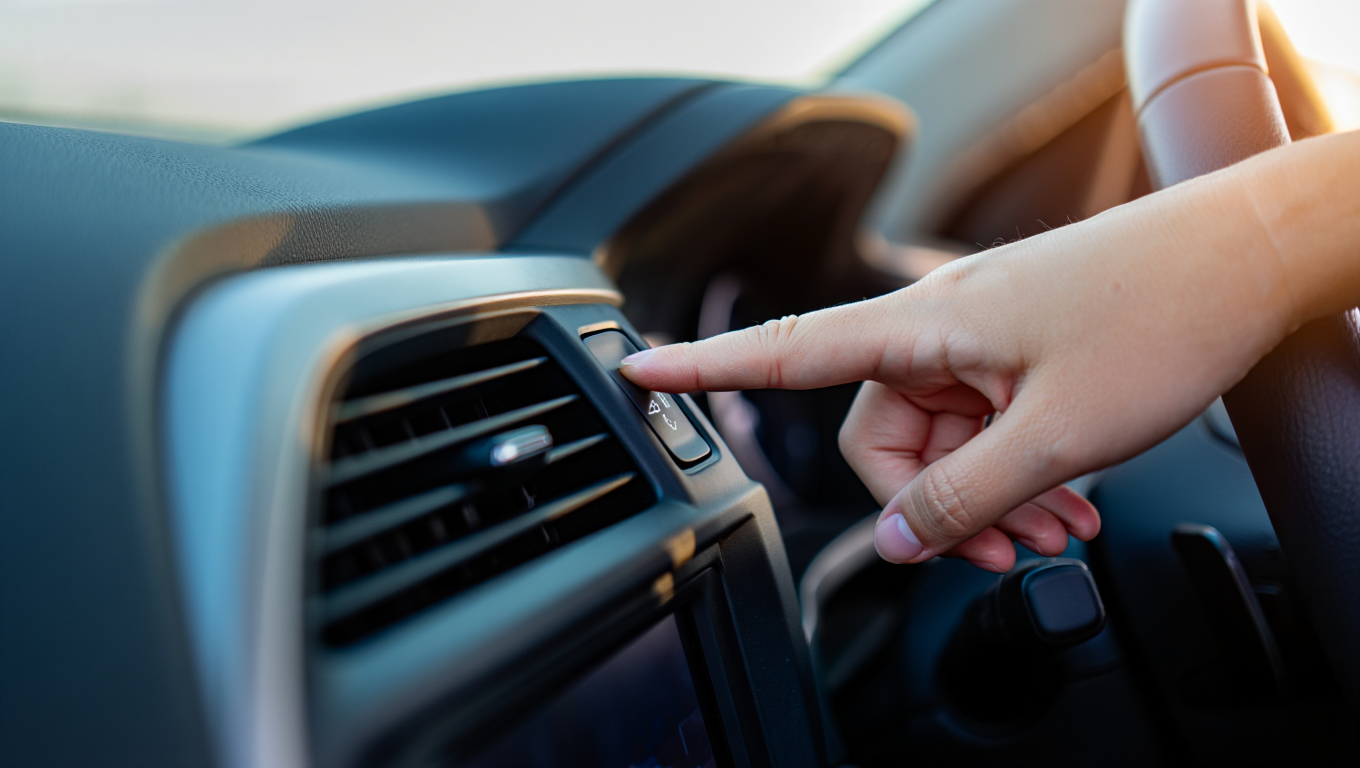
Electronic parking brake: how to use it correctly for your driving test
EPB, hill-start steps and parking: what you need to know about the electronic parking brake for lessons and your practical test.
Editorial AZUL Auto-École®
The electronic parking brake has replaced the traditional lever on most modern cars. Operation is largely automated, but how you use it differs slightly depending on whether you drive an automatic or a manual gearbox. Here is a guide aligned with current driver training practice — useful for lessons and your test in Switzerland.
What is the electronic parking brake (EPB)?
The EPB is a parking brake operated by a button or dial (often marked "P"), usually beside the gear lever or on the centre console. An electric motor clamps the rear callipers: the car is held without effort. On many cars the brake may also apply automatically when the engine is switched off or a door is opened, depending on the manufacturer's logic.
Auto Hold (or equivalent) can hold the brakes after a full stop — handy in town or in queues.
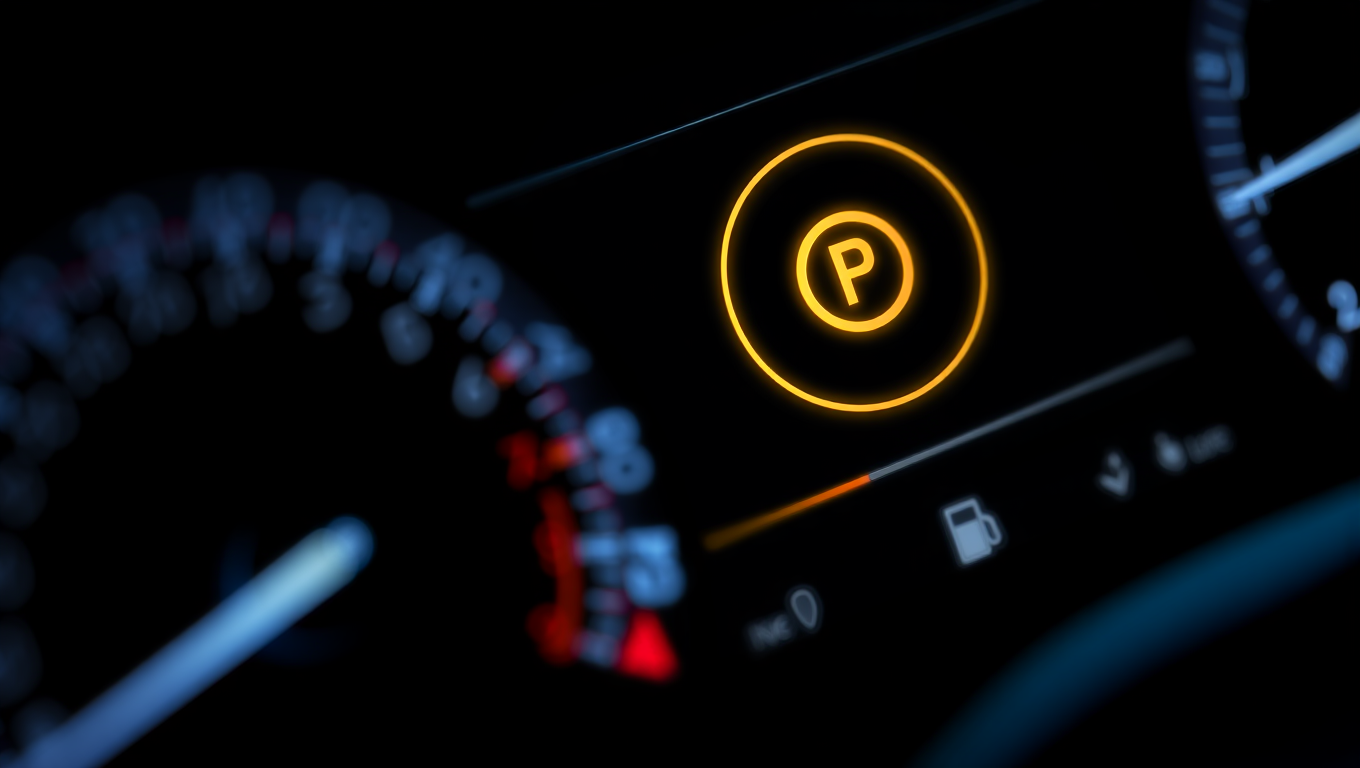
Always check the warning light on the dashboard. The EPB is now standard on most recent models you will see at driving school in Fribourg.
The EPB: automatic vs manual
1. Automatic transmission
Use is largely automated, which makes urban driving and hill starts easier.
- Applying (engage): a short press on the button is enough. On many models the brake also applies automatically when the engine is off and a door opens.
- Releasing: you usually need your foot on the brake pedal. Once that condition is met, press the button (sometimes while selecting a gear). The system typically checks that the vehicle can move before releasing the brakes.
- Hill-start assist (Hill Holder / hold): when you move your foot from the service brake to the accelerator, the electronics can hold the car briefly without rolling back — risk is greatly reduced, depending on the vehicle and settings.
2. Manual transmission
The EPB principle is the same, but you coordinate clutch, accelerator and button. Always check the EPB warning light.
Flat start (summary): foot on brake → release EPB (button) → first gear → clutch to biting point → gentle acceleration.
Hill start: hold the car with the foot brake or with the EPB applied, then:
- Select first gear and bring the clutch to the biting point (the car loads, engine speed changes).
- While holding the clutch at the biting point with light throttle, release the EPB (button).
- With hill-hold assist or the vehicle's logic, the car should not roll back while you move your foot from brake to accelerator, or as soon as the system senses clutch load and releases the rear brakes in a coordinated way.
- Continue by easing the clutch up while keeping the accelerator applied.
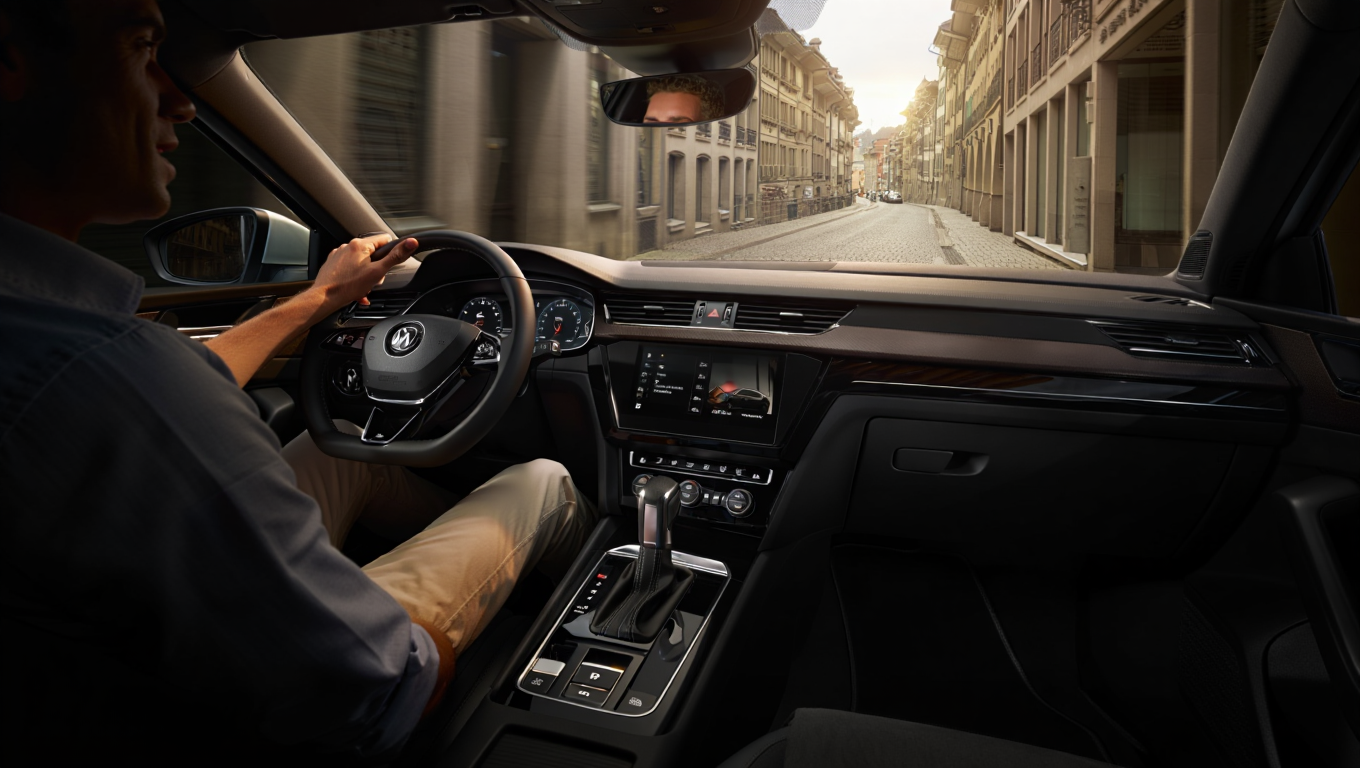
With Auto Hold, release can feel even smoother once you find the biting point.
Key point: do not release the EPB before you are stable at the biting point with enough engine response — that is the most common mistake and causes rollback.
Common precautions
- Low battery: a very flat battery may prevent the EPB from releasing; jump-start or diagnostic procedures may be needed depending on the manufacturer.
- Brake service: when changing pads, you often need a maintenance mode (dashboard or diagnostic tool) before pushing pistons back — otherwise you risk damaging the system.
- Safety: if a "parking brake fault" message appears, do not force the button — have the vehicle checked before driving.
Day-to-day parking: at a full stop, press the EPB; check the light before switching off and leaving the car — in Switzerland, leaving a vehicle without proper parking brake use can be an offence. If the brake pedal fails, holding the button may give progressive braking (model-dependent; ABS may be affected) — last resort only.
The EPB in the practical test
The examiner may ask for a hill start and watch how you use the EPB if the car has one. Fribourg's slopes and junctions are typical places where good clutch / throttle / EPB coordination shows on the mark sheet.
After a few repetitions in lessons, the sequence becomes reflex — in a manual or when you train in an automatic later on.
At AZUL: manual driving and up-to-date technology
At AZUL Driving School in Fribourg you train on recent cars with an electronic parking brake: you will not discover the EPB on test day. Your instructor drills the right sequence, automatic or manual, for your programme.
For choosing support, see also how to choose a driving instructor in Fribourg and our guide to Swiss driving licence categories.
Book a lesson with AZUL Driving School
Hill starts, EPB, manual or automatic: book your slot online in Fribourg — availability 7 days a week.
AZUL AUTO-ÉCOLE® Sàrl · Theory: Rue du Simplon 11, 1700 Fribourg · Practical lessons: meeting point at Grand-Places · Certified instructors · Lessons in French, German and English
Book a lesson with AZUL Driving School
Practise EPB and hill starts in Fribourg — book on agenda.ch or message us for a fast reply.