
B121 licence: the path to professional passenger transport in Switzerland
Requirements and step-by-step process (medical, ARV2 theory, practical training), plus exam format and indicative costs.
Editorial AZUL Auto-École®
In Switzerland, transporting passengers professionally (taxi, chauffeur, private hire / ride-hailing) usually requires more than a standard category B driving licence. The professional passenger-transport authorisation is commonly referred to as B121 (often linked to BPT requirements).
This guide keeps it practical: what B121 is, who needs it, the typical steps (medical, ARV2 theory, practical training), indicative costs, and what additional cantonal permits may be required after you pass.
What is B121?
B121 is a professional authorisation for passenger transport with vehicles up to 9 seats (8 passengers + driver). It complements your category B licence and signals that you meet additional requirements for transporting people.
In practice, details can vary by canton (forms, appointment flow, extra local requirements). The core idea is consistent: if you transport passengers commercially, you should meet the professional requirements and be able to prove it.
Who typically needs it?
- Taxi (traditional or app-based)
- Chauffeur / private hire (business, events)
- Ride-hailing / VTC
- Shuttle / minibus up to 9 seats (when classed as professional passenger transport)
To understand how it fits with other categories (BE, C, D…), see our Swiss licence categories guide.
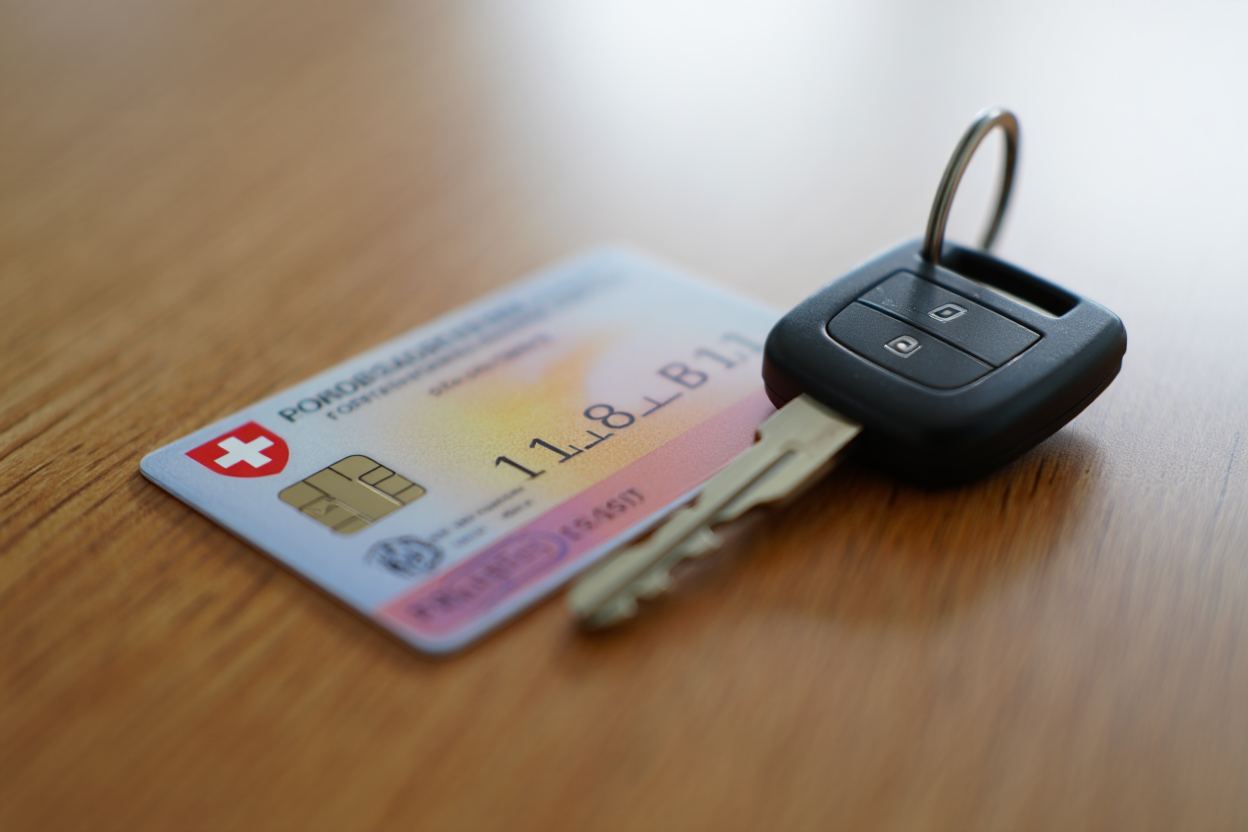
Eligibility requirements (typical)
Before you can register, you generally need to satisfy minimum legal conditions. The most common baseline is 1 year of clean driving experience on category B (or higher).
- At least 1 year of driving experience (category B or higher), without issues
- Medical check with an approved physician
- Vision test (often not older than 24 months)
- Submitted application file with the competent cantonal office
- Passed additional theory exam (commonly including ARV2 topics)
Many delays happen because of paperwork (missing attestations or expired vision tests). If you want a smooth timeline, start with the file, not with the driving.
Document checklist (before you book exams)
- Identity / personal details as requested by the canton
- Valid vision test confirmation
- Medical certificate (approved doctor)
- Completed application form
- Where relevant: foreign-licence status / residency documents
Step-by-step process
1) Medical check and vision test
Most cantons require a positive medical certificate before you can register for the theory exam.
Treat this step as foundational: in passenger transport, you’re responsible for your passengers, so fitness to drive is a strict prerequisite.
2) Additional theory
The theory part focuses on professional passenger-transport rules and (depending on the case) working/rest-time rules (ARV2). It is different from the standard category B theory test.
Typical topics to prepare:
- Work/rest time rules (ARV2): definitions, limits, breaks, documentation
- Professional obligations: safety, responsibility, behaviour
- Scenario questions: long shifts, irregular schedules, compliance
3) Practical training
After theory, candidates typically do focused lessons to prepare for the practical exam. Depending on your background, 3 to 8 lessons of 90 minutes is a common range.
High-impact training points for real-world passenger work:
- Safe stopping/starting at the roadside
- Calm decision-making under time pressure
- Lane choice, roundabouts, dense traffic
- Smooth, comfortable driving style

4) Practical exam
The practical exam often lasts about 60 minutes and can include real-traffic driving, route/orientation questions and “customer-service” behaviour.
Examiners typically want to see controlled, safe driving: good observations, clean lane changes, confident decisions, and professionalism.
Common mistakes (easy to avoid)
- Late lane positioning or hesitant lane changes
- Unclear communication (indicators, mirror checks, roundabouts)
- Stress around stopping/starting
- Driving too aggressively (comfort & safety)
Indicative costs
Fees vary by canton, but the exam fee is often around CHF 200–400. Add medical/vision costs, training lessons and any learning material.
| Item | Typical range |
|---|---|
| Exam fee | CHF 200–400 (canton-dependent) |
| Medical certificate | depends on provider |
| Vision test | depends on provider |
| Driving lessons | depends on number & pricing |
| Learning material | optional |
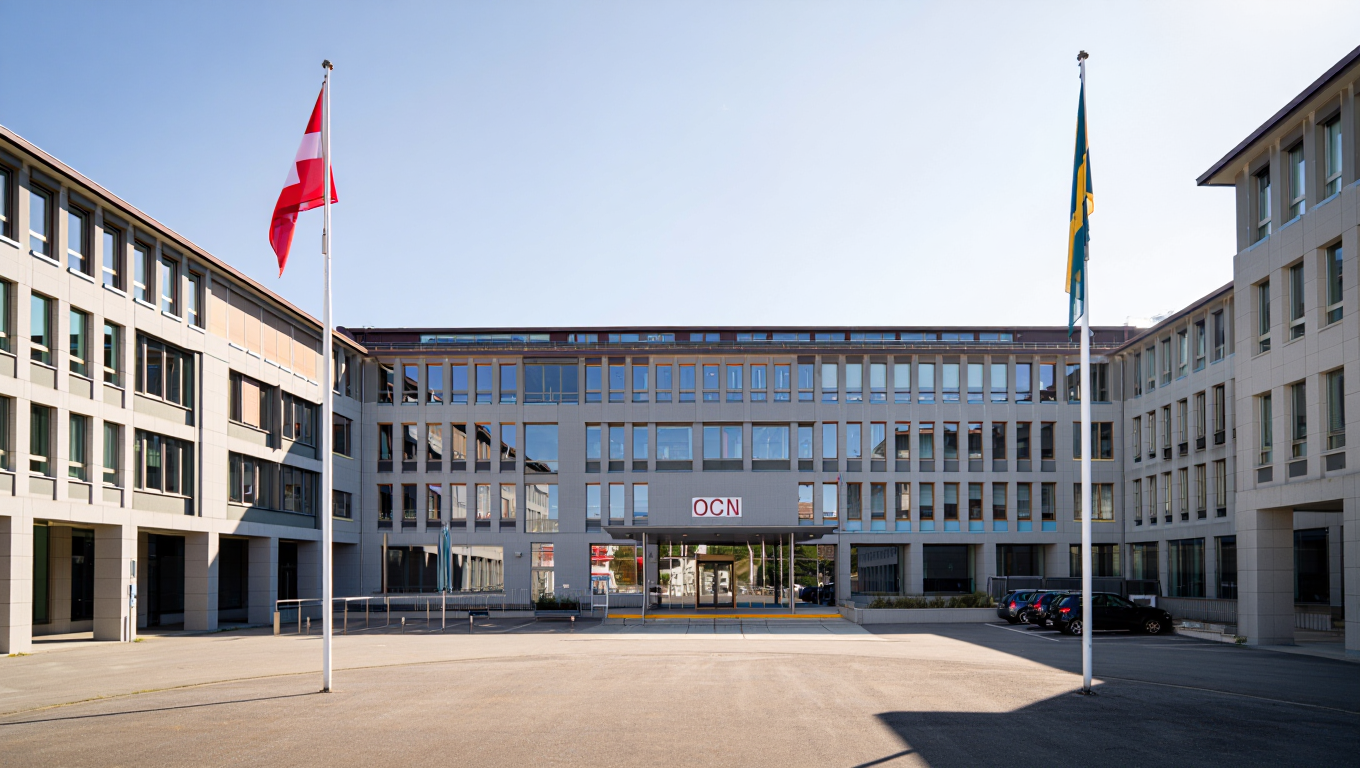
OCN in the canton of Fribourg
In Fribourg, the OCN is the competent authority for driving-licence matters. For certain services, the main site in Fribourg handles the process. Official information: ocn.ch.
After the exam: cantonal operating permits
Passing the B121 steps is key, but depending on the canton you may also need a separate operating permit (local knowledge, local rules, language requirements, etc.) to start working.
Common add-ons (depending on the region):
- Local knowledge / route knowledge
- Local regulations
- Language requirements
- Business setup, insurance, platform requirements
FAQ
How long does it take?
Often a few weeks. The slow part is usually appointments and paperwork (medical/vision and filing), not the driving itself.
Do I really need to study ARV2?
In many cases ARV2 is central to the additional theory. Learn the concepts and apply them to real scenarios.
Can I do B121 right after getting category B?
Typically you need one year of clean driving experience first, so it’s not immediate.
What is most important in the practical exam?
Safe observations, confident lane positioning, calm decision-making, smooth driving and professional behaviour.
Helpful links (AZUL)
- Category B steps in Fribourg: step-by-step guide
- Swiss categories overview: full categories guide
- Contact AZUL
- Book an appointment (agenda.ch)
AZUL: Azu-l.ch
Going pro? Talk to AZUL
Assessment, training plan and practical guidance for your professional passenger-transport goal.